

Hey there! As a supplier of Indoor Robot Hub Motor, I've seen firsthand how these motors have revolutionized the indoor robotics industry. They're super efficient, compact, and powerful, making them a top choice for all sorts of indoor robots, from cleaning bots to security drones. But like any piece of tech, using an indoor robot hub motor safely is crucial. So, let's dive into some key safety precautions you should keep in mind.
Electrical Safety
First off, electricity can be dangerous, and indoor robot hub motors run on it. When installing the motor, make sure you're working in a dry environment. Water and electricity are a bad mix, and even a small amount of moisture can lead to short - circuits or electrical shocks.
Always use the right power supply for your motor. Check the motor's specifications to find out its voltage and current requirements. Using a power supply with the wrong voltage can damage the motor and pose a fire hazard. For example, if your motor is designed to run on 24V and you connect it to a 48V power source, it can overheat and potentially catch fire.
Before you start any maintenance or troubleshooting on the motor, turn off the power supply. This might seem obvious, but you'd be surprised how many accidents happen because someone forgets to do this. Also, use insulated tools when working on the electrical components of the motor. This helps prevent electrical shocks.

Mechanical Safety
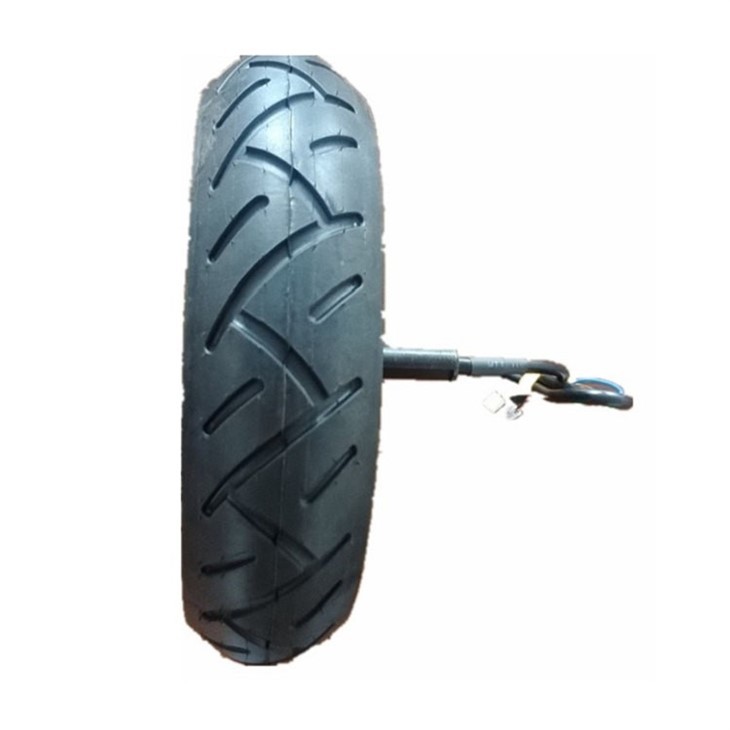
Indoor robot hub motors have moving parts, and these can be a safety risk. When the motor is running, keep your hands, clothing, and any loose objects away from the motor's rotating parts. Loose clothing can get caught in the motor, which can pull you in and cause serious injuries.
Make sure the motor is properly mounted. A loose motor can vibrate excessively, which not only reduces its efficiency but also poses a risk of the motor coming loose and causing damage or injury. Use the appropriate mounting hardware and follow the installation instructions carefully.
Regularly inspect the motor for any signs of wear and tear. Check the bearings, gears (if applicable), and the motor shaft. Worn - out bearings can cause the motor to overheat and may eventually fail. If you notice any unusual noises or vibrations coming from the motor, stop using it immediately and investigate the cause.
Environmental Safety
The environment where the indoor robot hub motor operates also matters. Avoid using the motor in areas with high levels of dust or debris. Dust can accumulate inside the motor, which can clog the ventilation and cause the motor to overheat. If you need to use the motor in a dusty environment, consider using a dust - proof enclosure.
Temperature is another important factor. Most indoor robot hub motors are designed to operate within a certain temperature range. If the temperature is too high, the motor can overheat and fail. On the other hand, extremely low temperatures can affect the motor's performance and the lubrication of its moving parts. Make sure the operating environment is within the recommended temperature range for the motor.
Overload and Overheating
Don't overload the motor. Each motor has a maximum load capacity, and exceeding this can cause the motor to overheat and eventually burn out. If your robot is carrying a heavy load or is required to perform strenuous tasks, make sure you choose a motor with a sufficient load - handling capacity.
Install over - temperature protection devices on the motor. These devices can automatically shut off the motor if it reaches a dangerous temperature. This helps prevent damage to the motor and reduces the risk of fire.
Training and Education
If you're using indoor robot hub motors in a commercial or industrial setting, make sure all the operators are properly trained. They should know how to install, operate, and maintain the motor safely. Provide them with safety manuals and conduct regular safety training sessions.
Comparing with Other Types of Hub Motors
It's also worth comparing indoor robot hub motors with Outdoor Robot Hub Motor and Inspection Robot Hub Motor. Outdoor robot hub motors need to be more rugged and weather - resistant. They're designed to withstand harsh outdoor conditions like rain, snow, and extreme temperatures. Inspection robot hub motors, on the other hand, might need to be more precise and have better control for accurate inspections.
Indoor robot hub motors are optimized for indoor use, with a focus on quiet operation, compact size, and energy efficiency. But the basic safety principles, like electrical and mechanical safety, still apply across all types of hub motors.
Conclusion
In conclusion, using an indoor robot hub motor safely is all about being aware of the potential risks and taking the necessary precautions. By following the electrical, mechanical, and environmental safety guidelines, you can ensure the longevity of your motor and the safety of everyone around it.
If you're in the market for an indoor robot hub motor or have any questions about safety or our products, don't hesitate to reach out. We're here to help you make the right choice and ensure that you can use our motors safely and effectively. Whether you're a small - scale hobbyist or a large - scale industrial user, we've got the right motor for your needs. Let's start a conversation about your requirements and how we can work together to get your indoor robots up and running smoothly.
References
- General knowledge of indoor robot hub motor technology and safety standards.
- Industry best practices for motor installation, operation, and maintenance.